What to Expect During a Flat or Single-Ply Roof Installation
People searching for single-ply roof installation typically want a durable, professional job, and local contractors can handle the process efficiently and reliably.
Understanding what to expect during a flat or single-ply roof installation can help property owners feel more prepared for the process. These installations typically involve specific steps, such as surface preparation, membrane application, and final inspections, all designed to ensure a durable and effective roof. Local contractors who specialize in single-ply roofing have experience managing these procedures efficiently, helping to minimize disruptions and ensure the project progresses smoothly.
Property owners in the area often explore this topic to make informed decisions about their roofing needs, whether upgrading an aging roof or installing a new one for better protection. Knowing what the installation process entails can also assist in coordinating other property improvements or maintenance schedules. Service providers who focus on single-ply roofing can offer valuable insights and assistance, guiding property owners through each stage of the project and helping them achieve a reliable, long-lasting roof.
- homeowners considering a flat or single-ply roof installation can expect local contractors to assess the existing roof structure and prepare the surface accordingly. - when replacing an aging or damaged roof, local service providers typically remove the old roofing material and ensure a clean, smooth surface for the new installation. - during a single-ply roof installation, local pros often focus on precise membrane placement and secure fastening to ensure durability and weather resistance. - for new flat roof projects, local contractors usually install insulation and vapor barriers before applying the roofing membrane to improve energy efficiency. - in the course of installation, local service providers conduct thorough inspections to verify proper seam sealing and overall quality before completing the project.
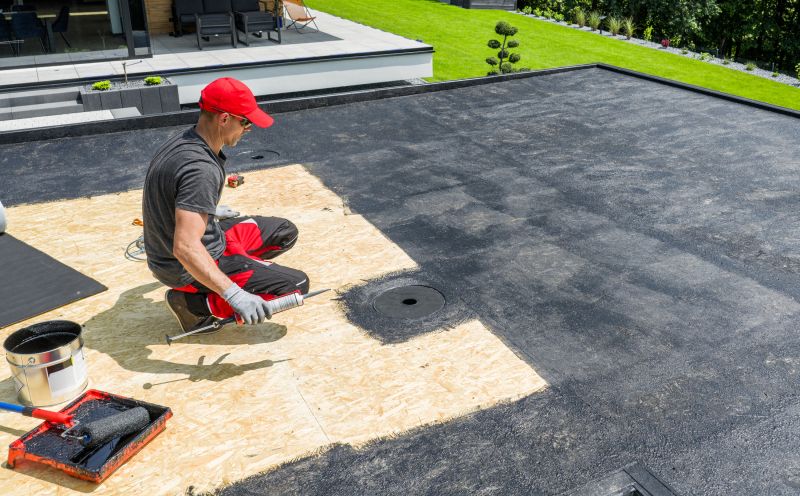
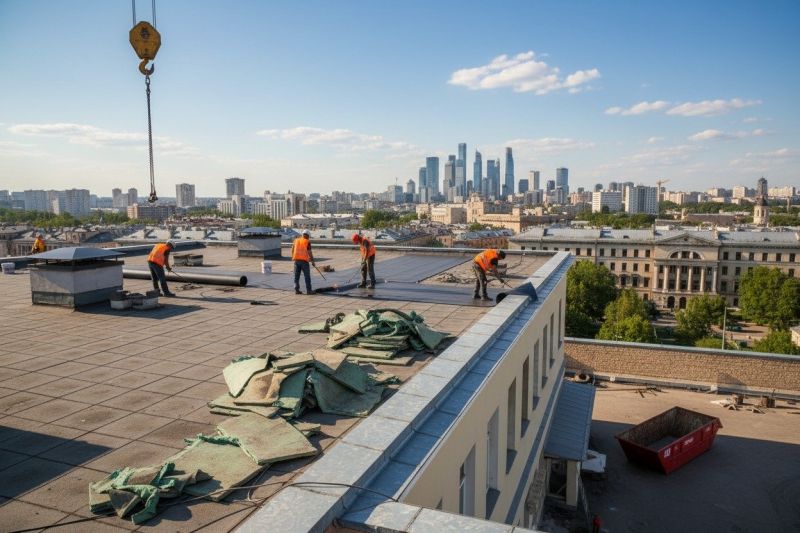
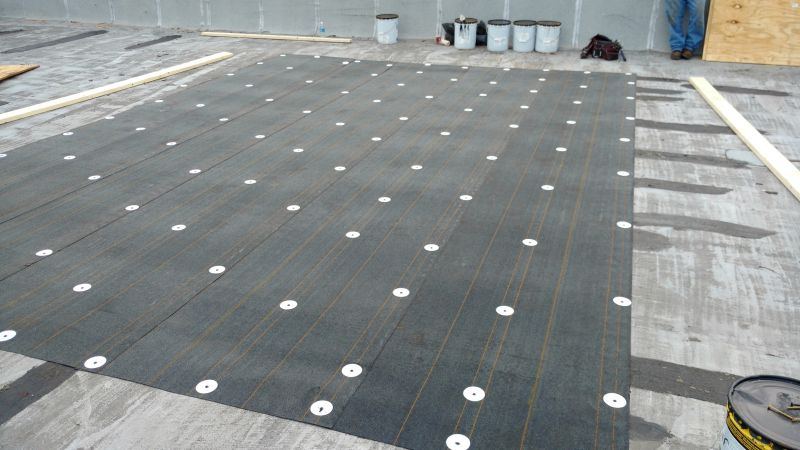
When homeowners search for what to expect during a flat or single-ply roof installation, they often want to understand the general process involved in upgrading or replacing a roof with this type of system. Flat and single-ply roofs are common on commercial buildings, but they are also used on some residential properties, especially those with modern or contemporary designs. These roofing systems are valued for their durability, waterproofing qualities, and ease of maintenance. People exploring this topic are usually considering a new installation or replacement, and they want to know how the project will unfold-from preparation to completion-so they can plan accordingly and make informed decisions.
This type of roof installation is typically associated with properties that have flat or low-slope roofs, such as apartment complexes, office buildings, warehouses, or homes with flat roof sections. These roofs often require a specialized approach because their design differs from traditional pitched roofs. Common problems that lead homeowners or property managers to consider a single-ply roofing system include leaks, aging materials, or the need for a more energy-efficient and low-maintenance solution. Planning for such a project involves understanding the scope of work, the materials used, and how the installation process might impact daily activities or property access.
During a flat or single-ply roof installation, homeowners can generally expect a series of distinct phases. The process usually begins with thorough preparation, which involves removing any existing roofing materials and inspecting the underlying structure for damage. Once the surface is ready, the installation of insulation and a suitable vapor barrier may occur before the new membrane is applied. The membrane, often made of materials like TPO, PVC, or EPDM, is carefully laid out and adhered or mechanically fastened to ensure a seamless, waterproof surface. The entire process is designed to be efficient, with local service providers focusing on minimizing disruptions while ensuring the roof is properly installed to withstand weather and aging.
Understanding what to expect during a flat or single-ply roof installation helps homeowners see how local contractors fit into the project. These service providers bring expertise in handling the specific requirements of flat roofing systems, from surface preparation to membrane installation. They also ensure that the work meets industry standards for durability and waterproofing. Since this type of installation can involve precise techniques and specialized materials, choosing experienced local pros can make a significant difference in the longevity and performance of the new roof. Homeowners can benefit from professional guidance and quality workmanship, helping to protect their property and investment over time.
Roof membrane replacement - involves installing durable membrane materials similar to single-ply roofing, requiring precise planning and specialized tools that local contractors can provide.
Commercial roofing projects - often utilize flat roofing systems that demand similar surface preparation and layering techniques as single-ply roof installations.
Roof deck repair and reinforcement - includes assessing and preparing the underlying structure, a step common to both flat roof and single-ply membrane installations.
Waterproofing applications - focus on creating seamless, waterproof surfaces, paralleling the sealing and flashing processes used during single-ply roof installation.
Insulation installation for flat roofs - involves planning and installing insulation layers that complement roofing membranes, requiring similar planning and handling skills.
Roof coating and restoration projects - involve surface preparation and material application techniques that are relevant to the installation of single-ply roofing systems.
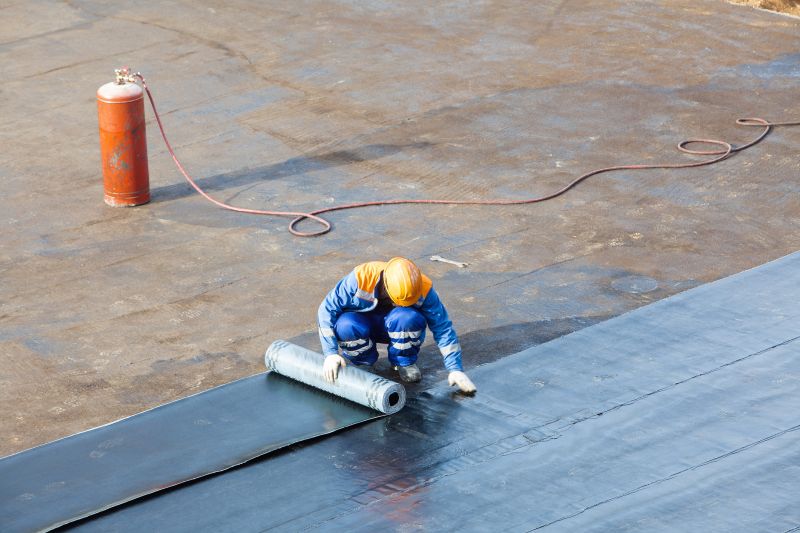
When evaluating service providers for a flat or single-ply roof installation, it’s important to consider their experience with similar projects. Homeowners should seek out local contractors who have a proven track record in installing this specific type of roofing. An experienced professional will understand the nuances of single-ply materials, proper surface preparation, and installation techniques that ensure a durable, long-lasting roof. Asking about past projects or requesting references can help gauge whether a contractor has successfully completed installations comparable to the scope and complexity of the work needed.
Clear written expectations are essential for a smooth installation process. Reputable local pros should provide detailed, written descriptions of what the project entails, including the scope of work, materials used, and any preparation or follow-up steps. This transparency helps homeowners understand what to anticipate during the installation and ensures there are no surprises. A contractor who communicates openly and provides comprehensive documentation demonstrates professionalism and a commitment to clarity, making it easier for homeowners to make informed decisions.
Good communication and reputable references go hand in hand when comparing local service providers. Contractors who are responsive to questions and willing to share references from previous clients can offer reassurance about their reliability and quality of work. Speaking with past customers can reveal insights into the contractor’s professionalism, adherence to timelines, and how well they manage the installation process. When choosing a provider, homeowners should prioritize those who demonstrate clear communication and have positive references, as these qualities contribute to a more predictable and satisfactory experience during a flat or single-ply roof installation.
Property owners often search for what to expect during a flat or single-ply roof installation when they are planning practical projects around their homes and businesses. Local pros provide Single-Ply Roof Installation services for everyday jobs and straightforward project options.
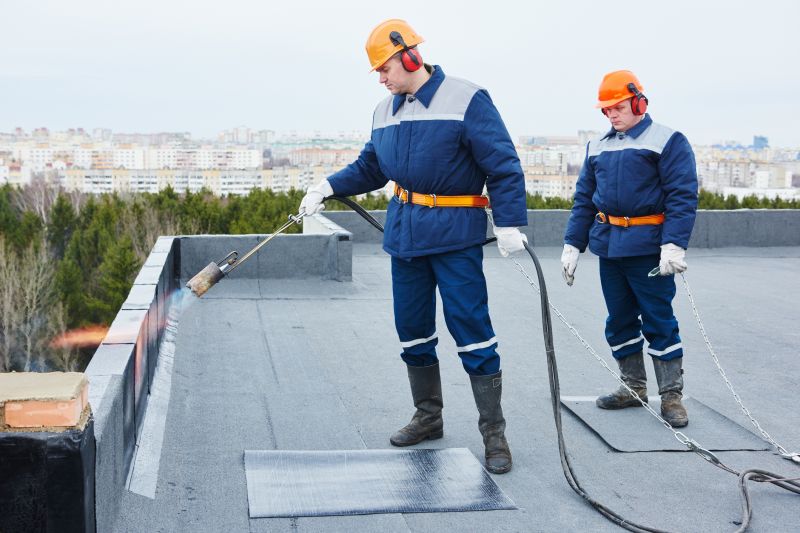

Understanding what to expect during a flat or single-ply roof installation can help property owners in the area prepare for the process. Typically, local contractors will start by preparing the existing roof surface, which may involve removing debris or old roofing materials. During installation, the new membrane is carefully laid out and secured, often requiring precise alignment and sealing to ensure a durable, weather-resistant surface. Homeowners might notice the presence of tools, materials, and workers on the property, but this is a normal part of the process to ensure proper installation and quality results.
For those considering single-ply roof installation services, it’s helpful to know that the entire process usually involves some level of disruption, such as temporary noise or limited access to certain areas of the roof. Local service providers aim to complete the work efficiently while maintaining safety and quality standards. Property owners may also want to plan for a brief period of limited outdoor access or activity on the roof during installation. Understanding these common steps can make the experience smoother and help homeowners feel more informed when working with local contractors on their flat or single-ply roof projects.
What is the typical process during a flat or single-ply roof installation? During the installation, local contractors usually prepare the existing roof surface, install a new insulation layer if needed, and then carefully lay down the single-ply membrane, ensuring proper sealing and fastening for durability.
What should I expect in terms of surface preparation? Surface preparation often involves cleaning the existing roof, repairing any damaged areas, and ensuring the substrate is smooth and dry to promote proper adhesion of the membrane.
How do local service providers handle the installation of the membrane? Contractors typically roll out the membrane sheets, cut them to size, and secure them using adhesive, mechanical fasteners, or heat welding, depending on the type of single-ply material used.
Will there be any disruption or noise during installation? Yes, some noise from tools like heat welders or cutting equipment is common, and installation may require temporary access restrictions on the roof area for safety and efficiency.
What kind of finishing or sealing is involved after the membrane is installed? After laying the membrane, contractors usually perform sealing around edges, penetrations, and seams to ensure the roof is watertight and ready for use.
Preparation Process - Property owners can expect local contractors to prepare the roof surface, which may involve removing debris and inspecting the existing structure to ensure proper installation conditions.
Material Application - Local service providers will apply the single-ply membrane carefully, ensuring proper adhesion and seam sealing for a durable, weather-resistant roof.
Installation Environment - During installation, property owners might notice work happening on the roof during favorable weather conditions, as contractors aim to minimize delays caused by rain or wind.
Final Inspection - Once installation is complete, local pros typically conduct a thorough inspection to confirm the quality of work and address any immediate concerns or adjustments needed.
If you are thinking about what to expect during a flat or single-ply roof installation for a property, this guide is meant to help you understand this topic, the typical project types, and how different options might fit your plans.
When you are ready, you can use the quote form on this page to share a few details about your project. From there, local pros can review the basics and follow up with options that match what you have in mind.